
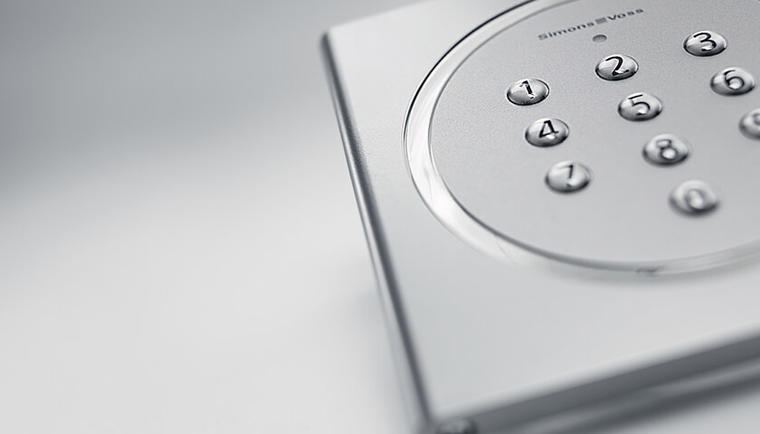
A PIN code keypad is a device that replaces or supplements a physical key with a numeric code, letting people into a building without needing to hand over or copy a key. Retrofitting one onto an existing door lock improves both security and day-to-day convenience, since access can be granted or changed centrally rather than through physical keys. This makes keypads particularly useful for high-footfall premises such as hotels, office buildings and public sector facilities, where managing who holds a key quickly becomes impractical.
► Who Uses PIN Code Keypads and Where
PIN code door locks suit a wide range of commercial settings, and the main users include facility managers responsible for large multi-tenanted properties, who find keypads particularly useful when external contractors are involved or when numerous separate units need managing, as is often the case in larger residential complexes. Airbnb hosts and hotel operators benefit from giving guests simple, secure access without physically handing over keys, while corporate security managers use keypads to strengthen building security while still managing access efficiently. Industrial sites rely on electronic keypad locks to meet robust security requirements, and private and public sector offices use them to enhance security while monitoring visitor traffic. Educational institutions use them to help protect pupils, students and staff, and healthcare facilities use flexible keypad locking to protect sensitive areas without slowing down access for medical personnel.
In short: PIN code keypads suit any premises where multiple people, contractors or guests need access without a physical key changing hands, from hotels and offices to schools and hospitals.
► Types of PIN Code Door Lock
PIN code door locks vary by intended application and underlying technology, and each type offers particular advantages for different environments. A wireless keypad lock communicates with other building security systems, allowing access to be managed centrally. A standalone keypad lock is ideal for individual doors that don’t need to connect to a central system, since it operates entirely independently once installed on the door. A smart lock is the most advanced option, offering control through a smartphone app and often adding features such as access logging and remote access.
In short: standalone locks suit a single door, wireless locks suit a centrally managed building, and smart locks add app control and logging on top.

► Functions and Features
Retrofitting a door lock with a PIN code keypad does more than improve security and ease of use, since it also extends the range of available functions. These locks can integrate into existing security systems and smart-building solutions, giving comprehensive control and monitoring, and the latest models use advanced networking and stronger encryption to protect data transmission.
Key functions include emergency opening, where a manual override lets the lock open during a power cut or technical fault, and a fingerprint scanner, which adds a biometric layer of security by restricting access to registered fingerprint data. App control lets users lock or unlock doors remotely and monitor access from any location, and access logging records who opened the door and when, which is particularly useful in commercial environments and rental properties.
In short: modern keypad locks add emergency override, biometric options, remote app control and access logging on top of the basic PIN entry function.
► PIN Code Keypads: Advantages and Disadvantages
Retrofitting a door lock with a PIN code keypad brings clear benefits, but there are trade-offs worth weighing before committing to modern access control.
Advantages
Individually configurable codes and integration with monitoring systems provide a higher level of security, and there’s no risk of lost or duplicated physical keys, which matters most at large sites with many users. Access permissions can also be assigned and changed more flexibly, without having to replace or reissue physical keys.
Disadvantages
Purchasing and installing these more advanced systems can cost considerably more than a conventional locking system, and electronic systems can be susceptible to technical problems, including software errors and hardware faults. Security also depends on the codes chosen; if those responsible pick simple or commonly used codes, the system’s security is weakened regardless of the hardware.
In short: keypads remove the risk of lost keys and add flexible access management, but cost more up front and are only as secure as the codes people choose.

► Combination Options and System Integration
Modernising an existing door lock by adding PIN code access gives a flexible, secure upgrade path without a full replacement. The SimonsVoss SmartHandle AX Advanced is one example, offering a mechanical override so it can be operated using either a physical key or a digital code, combining a high level of security with real flexibility.
Compatibility varies across the SimonsVoss range: earlier PIN code keypads aren’t compatible with the Digital Cylinder AX and provide basic functions suited to legacy systems, while the newer AX-generation keypads are built specifically for the Digital Cylinder AX and offer a greater operating range along with additional security features. Systems like these let you add digital functionality to existing infrastructure, which simplifies the move to more modern security and suits organisations wanting to introduce new technology in stages, as part of a wider keyless entry system.
In short: SimonsVoss keypads range from basic legacy models to AX-generation keypads built for the Digital Cylinder AX, so compatibility is worth checking against your existing hardware before upgrading.
► How to Choose the Right Lock
A few factors decide which electronic keypad lock fits your building. Door thickness and material may determine which type of lock can physically be installed, and the required security level should match the sensitivity of the data, assets or valuables you’re protecting. Budget matters too, and should account for both the initial purchase price and any ongoing maintenance costs rather than the hardware cost alone.
In short: door construction, the security level you need and total budget, not just the upfront price, are the three factors that decide which keypad lock is right for a given door.

► Finding an Installation Partner
Retrofitting a door entry system with PIN code access is a cost-effective way to modernise access control with long-term benefits. If you’d like to retrofit a SimonsVoss door lock with a PIN code keypad, find your local access control specialist, whose specialists have the experience to install and maintain electronic locking systems and can advise on choosing the right setup for your existing infrastructure.
Thinking about retrofitting PIN code access onto your existing doors? Find your local access control specialist or get in touch to talk through your options.
FAQ
What is a PIN code door lock?
A PIN code door lock is a lock operated by entering a numeric code instead of, or alongside, a physical key, letting access be managed and changed centrally.
What types of PIN code keypad are there?
The three main types are wireless keypad locks, which connect to a central building security system, standalone keypad locks, which operate independently on a single door, and smart locks, which add smartphone app control and access logging.
Are PIN code keypads compatible with any SimonsVoss cylinder?
No. Earlier SimonsVoss PIN code keypads aren’t compatible with the Digital Cylinder AX. The newer AX-generation keypads are built specifically for the Digital Cylinder AX and offer additional range and security features.
What are the main downsides of a PIN code keypad?
Higher upfront cost compared with a conventional lock, the possibility of technical faults in the electronics, and reduced security if users choose weak or predictable codes.
Can a PIN code keypad be added to an existing lock?
Yes. Retrofitting is a common and cost-effective way to add PIN code access to an existing door, and options such as the SimonsVoss SmartHandle AX Advanced include a mechanical override so the door can still be opened with a physical key if needed.
Who should I contact to retrofit a SimonsVoss keypad?
Get in touch with a certified SimonsVoss access control specialist in your area, who can advise on compatibility and install and maintain the system.