
An access control system is any technology or process used to determine who can enter a building or area, and when, ranging from a security guard on the door to a fully networked digital locking system. As digitalisation continues to advance, security and privacy matter more than ever, and electronic access control is already indispensable for many organisations, whether the objective is securing sensitive areas, controlling access to production facilities and offices, or protecting data centres against unauthorised entry.
A good access control system is like the doorman for your organisation: it knows exactly who should be allowed in, and who shouldn’t.
This article looks at the different types of access management system available and weighs up the advantages and disadvantages of digital access control against mechanical solutions.
From Mechanical to Digital: An Overview of Access Control Systems
Different types of access control system, ranging from solutions operated by security personnel to sophisticated digital systems, each come with their own advantages and disadvantages, spanning basic key control through to highly complex, networked security infrastructure. Choosing the right system is crucial for managing access permissions effectively and, ultimately, for protecting buildings, data and people.
1. Manned Access Control Systems
Manned access control offers one unique advantage: human judgement. Trained security personnel can identify suspicious behaviour and respond appropriately to the situation, a flexibility in decision-making that automated systems can rarely replicate. The operating costs of security personnel shouldn’t be underestimated, though, and staffing requirements can be substantial, particularly at large sites. Relying on people also introduces additional risks, since human error or deliberate manipulation can compromise the security of the entire system; a member of staff may decide to admit someone who has forgotten their ID but appears to belong to the organisation. Although overriding security procedures this way may seem reasonable in an individual case, it ultimately undermines the purpose of the access control system.
In short: manned access control brings genuine human judgement to the door, but at real staffing cost, and it remains vulnerable to individual error or well-meaning rule-bending.

2. Mechanical Access Control Systems
Mechanical access control systems stand out for their simplicity and robustness. Conventional locks are straightforward to use and highly durable, needing no power or network connection, so access remains possible even during power or network outages. This simplicity has its limits, though: if a key is lost or stolen, locks may need replacing or rekeying and replacement keys issued, which can be both time-consuming and costly, and mechanical systems provide no means of recording access events, a significant disadvantage in security-critical environments.
In short: mechanical locks keep working through power cuts and need no network, but a lost key means rekeying costs and there’s no record of who came and went.

3. Mechatronic Access Control Systems
Mechatronic access control systems are intelligent hybrid solutions that combine mechanical and electronic components, such as a mechanical locking device activated using an electronic transponder. One of their key benefits is the ability to capture data, with access attempts recorded electronically for later analysis. Purchase and installation costs can be higher than for purely mechanical or electronic alternatives, though, and the added complexity of a hybrid system can also make maintenance more demanding and expensive. A thorough assessment of security needs and operational requirements is therefore essential when identifying the most appropriate solution.
In short: mechatronic systems add electronic logging to a mechanical lock’s reliability, at the cost of higher purchase price and more complex maintenance.

4. Physical Access Control Systems
Physical access control systems such as turnstiles, security portals and manned checkpoints provide a high level of security by creating a direct physical barrier against unauthorised entry. They also enable precise management of people flow within a building and can be combined flexibly with other access control technologies. These benefits need weighing against comparatively high acquisition and maintenance costs, and physical barriers can be intrusive or impractical in certain environments, so selecting the right solution requires careful consideration of the building, its users and the specific requirements of the site.
In short: physical barriers give a hard stop against unauthorised entry and control people flow well, but cost more to install and maintain and aren’t always practical to fit.

5. Biometric Access Control Systems
Biometric access control systems use unique biological characteristics, such as fingerprints or retinal scans, to provide a high level of security, and because users don’t need physical keys, cards or PINs, the risks associated with lost or stolen credentials are reduced. Despite these advantages, biometric systems bring their own challenges. Data protection is a particularly important consideration, because biometric information used to uniquely identify an individual is treated as special category data under the UK GDPR, so organisations using biometric recognition for access control must establish an appropriate lawful basis as well as a valid condition for processing special category data.
Specialist hardware and software can also make biometric systems comparatively expensive to purchase, implement and operate, so organisations should carefully assess their operational requirements, security objectives and data protection obligations before deploying this technology. For workplace access control in particular, current ICO guidance states that organisations should consider necessity and proportionality and provide an appropriate alternative for workers who don’t wish to use biometric access controls, such as a swipe card or PIN, and that a Data Protection Impact Assessment must be completed before using a biometric recognition system.
In short: biometric access control removes lost-credential risk but brings genuine UK GDPR obligations, including a lawful basis, a DPIA and a non-biometric alternative for staff who opt out.
6. Digital Access Control Systems
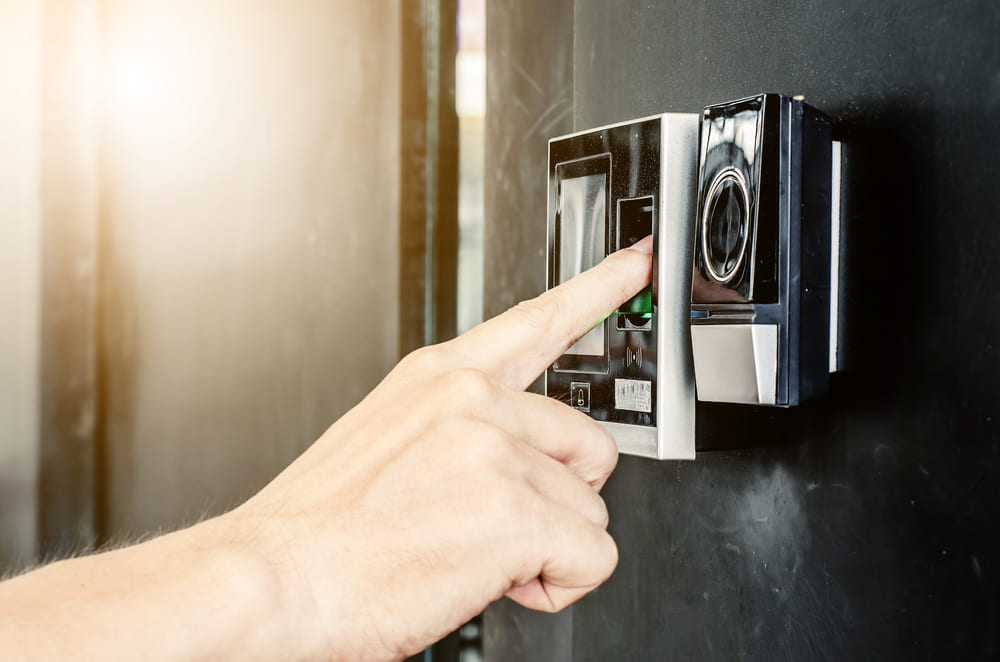
Digital access control systems offer a high degree of flexibility, since they can be tailored to an organisation’s specific requirements and generally integrate with existing IT infrastructure, connecting access data efficiently with other organisational systems. One particularly valuable capability is adjusting access permissions in real time following a security incident, letting organisations respond quickly to changing security requirements and making digital access control well suited to complex organisational structures. Digital locking systems do require an initial investment in hardware and software, though this investment can quickly pay for itself through more efficient access management and reduced administrative overhead.
In short: digital access control trades a higher upfront cost for real-time permission changes and IT integration that mechanical and mechatronic systems can’t match.

Differences Between Offline and Online Systems
The main differences between offline and online access control systems lie in their complexity and infrastructure requirements. Offline systems are generally more cost-effective and straightforward to install, but offer more limited monitoring and data-analysis capabilities, making them particularly suitable for smaller premises and offices where centralised, real-time control isn’t required. Online systems, by contrast, need network connectivity but provide real-time monitoring and extensive data collection, making them particularly suitable for larger organisations and sites with demanding security requirements, such as government facilities and financial institutions, because they enable comprehensive centralised control.
In short: offline suits smaller sites that don’t need real-time oversight, while online suits larger or higher-security sites that do, at the cost of needing network connectivity throughout.
SmartIntego: Digital Integration in Practice
Successful integration of digital access control systems is crucial to optimising both security infrastructure and operational processes, letting organisations connect data efficiently and monitor systems in real time while helping to minimise the risk of security vulnerabilities and technical disruption. SmartIntego from SimonsVoss is one example of this approach: an integrated digital access control solution that places particular emphasis on security and ease of use. Compatibility with widely used building management systems makes SmartIntego a flexible, future-ready option for organisations of all sizes, combining high security standards with efficiency and flexibility in a solution that delivers benefits from both a technical and commercial perspective.
In short: SmartIntego’s main strength is integration, working with existing building management systems rather than requiring organisations to replace them.

Which Access Control System Is Right for Your Organisation?
Choosing an access control system requires a detailed assessment of both needs and risks. Start by identifying your organisation’s specific security requirements and assessing the technical suitability of potential solutions, including compatibility with your existing IT infrastructure and any requirements for real-time monitoring. Both capital and operating costs need considering too: offline systems are often sufficient for smaller organisations, while online systems tend to suit organisations with more complex or demanding security requirements better.
The SimonsVoss System 3060 provides a versatile solution for a wide range of access control requirements, with flexibility and scalability that accommodate both smaller organisations and complex organisational structures. It integrates into existing IT infrastructure, and centralised management of access permissions lets organisations respond quickly when security requirements change, making it a future-ready option for modernising a wide range of access control environments.
In short: match the system to the organisation’s size and complexity first, then check IT compatibility and monitoring needs before deciding between offline and online.
Ready to explore fully integrated access control as part of your security strategy?
FAQ
What's the main difference between mechanical and mechatronic access control?
Mechanical systems use a purely physical lock and key with no data recording, while mechatronic systems combine a mechanical lock with electronic components such as a transponder, allowing access attempts to be logged.
Do biometric access control systems have to comply with GDPR?
Yes. Biometric data used to uniquely identify someone is special category data under the UK GDPR, so organisations need a lawful basis, a valid condition for processing special category data, and a completed Data Protection Impact Assessment before using it, along with a non-biometric alternative such as a swipe card or PIN for staff who don’t want to use it.
What's the difference between offline and online access control systems?
Offline systems are cheaper and simpler to install but offer limited monitoring, suiting smaller premises, while online systems need network connectivity but provide real-time monitoring and centralised control, suiting larger or higher-security sites.
What is SmartIntego?
SmartIntego is SimonsVoss’s integrated digital access control solution, designed for compatibility with widely used building management systems.
Is digital access control worth the upfront cost?
For most organisations needing flexibility, IT integration or the ability to change permissions in real time, yes. The initial investment in hardware and software can pay for itself through more efficient access management and lower administrative overhead over time.
What should I consider first when choosing an access control system?
Your organisation’s specific security requirements and the technical suitability of potential solutions, including compatibility with existing IT infrastructure and whether you need real-time monitoring, before weighing up capital and operating costs.