
Furniture locks are locking mechanisms designed to protect the contents of furniture such as cupboards, drawers and display cabinets against unauthorised access, and they’re available in a wide range of shapes and sizes, fitting to almost any item of furniture. This article gives a comprehensive overview of the different types available and helps you choose the right solution for different types of furniture and security requirements.
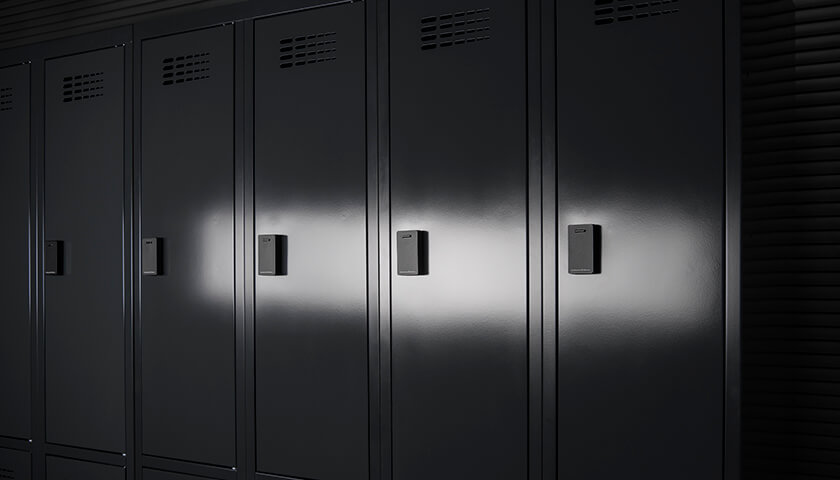
Applications for Furniture Locks
Furniture locks protect confidential documents, personal belongings, valuables and many other items across a wide variety of environments, and they’re often the final line of defence if other security measures fail. They matter particularly wherever access to specific items needs to be strictly controlled to prevent theft or unauthorised use, in other words, wherever security really counts, and their versatility means there’s a suitable furniture lock for virtually every application and security level, ranging from straightforward mechanical locks to sophisticated electronic or biometric systems.
At home, furniture locks are used for protecting jewellery and important documents in desks or bedside cabinets, securing family heirlooms in antique chests of drawers or cupboards, storing medicines in lockable medicine cabinets to restrict access by children, and protecting personal electronic devices, along with personal data stored on external storage media, in lockable drawers. Commercially, they protect sensitive information in office filing cabinets, secure equipment such as tablets and laptops in office drawers or dedicated storage compartments, protect equipment and teaching materials in cupboards or drawers at schools and libraries, secure high-value goods or cash floats in retail environments, and keep medicines securely stored in hospitals and GP surgeries.
In short: furniture locks protect valuables at home and confidential items, equipment or medicines commercially, with a suitable option for almost every setting and security level.
► Furniture Locks by Locking Mechanism
Cylinder locks use a more sophisticated mechanism that provides a higher level of security, making them particularly suitable for areas storing sensitive information or valuable items, and changing the cylinder also makes it relatively straightforward to adapt the lock to changing security requirements. Bolt locks, often used on wooden furniture, engage automatically when closed, giving a simple and effective solution that’s particularly robust and resistant to forced entry.
Drawer locks are designed specifically for drawers, keeping documents and personal belongings securely protected, and suit office environments needing both quick access and a high level of security. Espagnolette locks, or rod locking systems, suit double-door cupboards, securing the contents using rods that extend vertically along the door and engage or disengage when the lock is operated, and because they secure the door at multiple points, they’re particularly effective for larger items of furniture.
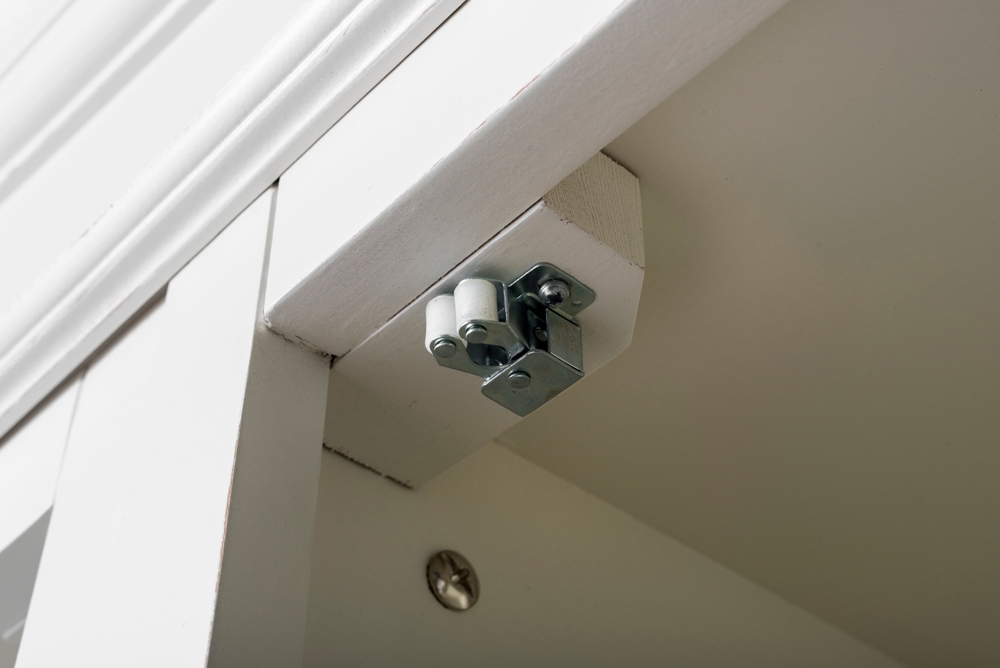
Push locks secure a door or drawer by pressing a button or plunger, and they’re particularly popular for display cabinets and presentation furniture, providing fast, discreet locking in areas with high levels of public traffic. RFID furniture locks are modern electronic locks that use RFID technology to provide greater security and convenience through keyless authentication, and because they can be programmed, access permissions are easy to manage and modify, an important advantage in dynamic or high-traffic environments.
In short: mechanism choice ranges from simple bolt and push locks through to cylinder, espagnolette and RFID locks, with security and convenience generally rising as the mechanism gets more sophisticated.
► Furniture Locks by Installation Method
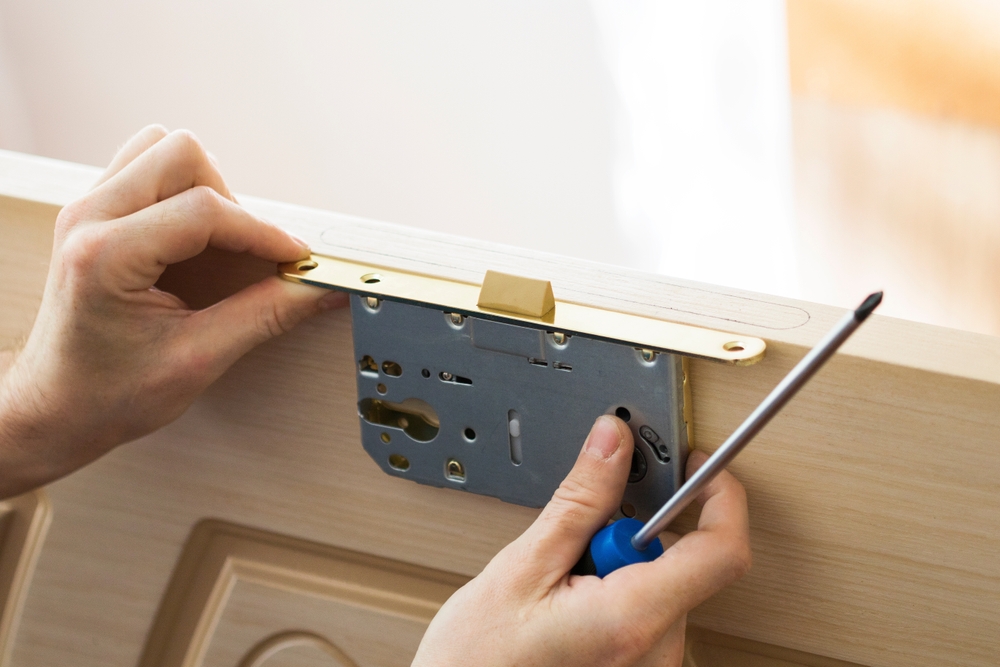
Surface-mounted furniture locks are straightforward to install, since they’re screwed directly onto the surface of the furniture, making them particularly suitable for retrofit applications where a lock needs adding without significant alterations to the furniture itself. Recessed furniture locks, also known as furniture mortice locks, are recessed directly into the furniture and are therefore barely visible from the outside, which creates a cleaner appearance and can also make the lock less accessible to tampering. Furniture mortice locks suit high-quality furniture particularly well, where both security and design matter.
In short: surface-mounted locks are the quick retrofit option, while recessed mortice locks give a cleaner look and better tamper resistance on higher-quality furniture.
► Furniture Locks by Furniture Type
Post box locks are designed specifically to secure post boxes and protect their contents, and they’re often weather-resistant so they can withstand outdoor conditions. Locker locks suit changing rooms, gyms and similar environments where personal belongings need securing, and they’re designed to withstand frequent operation and high user turnover. Display cabinet locks are built specifically for showcases and display cabinets containing valuable or sensitive items, designed to minimise their visual impact on the display alongside providing protection.
Tambour locks, commonly used in tambour cupboards, mobile pedestals and filing cabinets, provide additional protection for documents and other contents, and some designs can also be incorporated into wider locking arrangements. Drawer locks are frequently used in offices and homes to protect drawer contents against unauthorised access, and they’re available in different security levels to suit different protection requirements.
In short: the right lock often follows the furniture itself, weatherproof for post boxes, high-turnover-resistant for lockers, and display-friendly for showcases.
Choosing the Right Furniture Lock: Key Selection Criteria
Selecting a furniture lock means weighing up several factors to ensure it provides the required level of protection while remaining practical in everyday use, with dimensions, furniture type, specific security requirements and frequency of use among the most important. Backset is an important measurement, since it determines the distance from the centre of the keyhole or cylinder to the front edge of the lock, helping establish whether the lock will fit the intended application. Furniture type also influences the choice, since certain solutions suit drawers better while others work more effectively on larger cupboard doors, and frequency of use matters too: simple mechanical locks may be sufficient for furniture that’s rarely accessed, while electronic or biometric systems may suit furniture used regularly by multiple people better.
Where security requirements are higher, it’s worth considering higher-specification furniture locks, particularly where there’s an increased security risk or valuable or sensitive items need protecting. Cylinder locks can provide greater resistance to tampering because of their design, while RFID locks add security through keyless technology alongside a particularly high level of convenience.
In short: choose by backset measurement, furniture type and how often the lock will be used, then step up to cylinder or RFID locks where the security stakes are higher.
Reducing Security Risks: Protecting Furniture Locks Against Forced Entry
Understanding how furniture locks may be compromised is important when determining appropriate security measures. Choosing high-quality locks that offer an appropriate level of security reduces the risk of forced entry, and carrying out regular inspections helps confirm locks are operating correctly and show no signs of wear or damage. Where particularly valuable or sensitive contents are involved, it’s worth complementing furniture locks with additional measures such as alarm systems or CCTV, and providing appropriate training and guidance matters too, since human error can never be eliminated entirely; training employees or other users in the correct operation and secure handling of locks can significantly reduce the risk of unauthorised access.
In short: forced-entry risk drops with better-quality locks, regular inspection, layered security such as CCTV where needed, and staff training, since no single measure covers every risk on its own.
Digital Furniture Locks from SimonsVoss
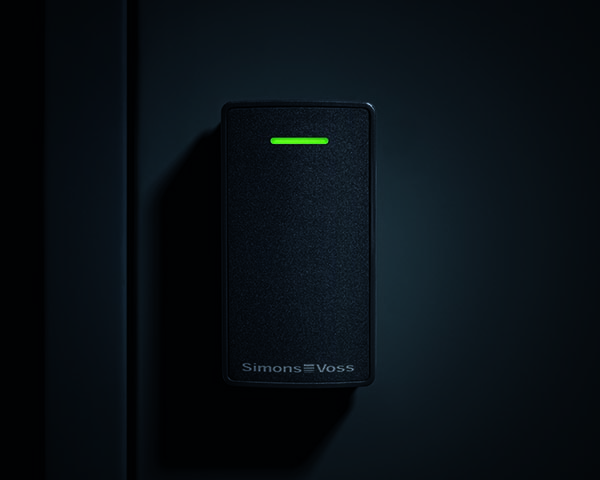
As protecting personal and business assets becomes increasingly important, furniture locks offer a simple, effective way of keeping valuable items secure, whether in a busy office, a school or at home, with a suitable solution for virtually every application. The SimonsVoss range includes modern digital furniture locks that integrate seamlessly into existing security systems, and both the espagnolette lock and the smart furniture lock for office cupboards and lockers install easily without compromising the appearance of the furniture.
Each lock can be operated using a transponder and, where required, can maintain a detailed audit trail of access events. SimonsVoss also states that its digital furniture locks can be fully integrated into System 3060.
In short: SimonsVoss digital furniture locks add transponder access and an audit trail on top of a standard mechanical lock, and can be integrated into a wider System 3060 setup.
FAQ
What's the difference between a surface-mounted and a recessed furniture lock?
A surface-mounted lock screws directly onto the furniture and suits retrofitting, while a recessed, or mortice, lock sits inside the furniture itself for a cleaner look and better resistance to tampering.
Which furniture lock is best for a display cabinet?
A push lock is popular for display cabinets and presentation furniture, since it locks quickly and discreetly in areas with high public footfall, though a dedicated display cabinet lock is designed specifically to minimise visual impact on the display.
What is backset and why does it matter?
Backset is the distance from the centre of the keyhole or cylinder to the front edge of the lock, and it’s an important measurement for confirming the lock will actually fit the furniture you’re fitting it to.
Can furniture locks be integrated with a wider access control system?
Yes. SimonsVoss digital furniture locks can be operated using a transponder, maintain an audit trail of access events, and be fully integrated into System 3060.
Are RFID furniture locks more secure than mechanical ones?
RFID locks add keyless authentication and easily managed, modifiable access permissions, which suits dynamic or high-traffic environments, while mechanical options such as cylinder locks rely on their physical design for tamper resistance.
How can I reduce the risk of a furniture lock being forced?
Choose a high-quality lock suited to the security level you need, inspect it regularly for wear or damage, add measures such as CCTV or an alarm for particularly valuable contents, and make sure anyone using the lock is trained in handling it correctly.