
An electronic chip-based locking system is a form of access control that replaces conventional keys with digital credentials such as transponders or smart cards, which communicate contactlessly with electronic locking cylinders or readers, so access is only granted when a valid credential is presented. Where the system is managed online, it can be administered centrally via software, letting access permissions and time restrictions be changed in seconds rather than requiring a physical key to be cut or a cylinder replaced.
Chip-based locking systems are efficient, secure and practical for everyday use, and while they’ve long been established in industrial and public sector buildings, they’re increasingly being adopted in residential settings too, from businesses to residential developments and virtually any other type of building.
Applications for Chip-Based Locking Systems
A chip-based access control system suits virtually any environment where effective access management helps keep operations running smoothly. That includes office buildings with changing staff and visitors, hotels needing flexible access for guests, employees, external contractors and suppliers, and hospitals and other healthcare facilities, including GP surgeries, rehabilitation facilities and care homes. It also covers manufacturing sites where access to sensitive areas needs controlling, such as chemical and pharmaceutical facilities, laboratories or areas containing hazardous materials, residential developments prioritising contactless access and ease of use, such as supported accommodation, halls of residence and apartment complexes, and educational establishments with large numbers of temporary or changing users, including students, teaching staff and library users.
In short: chip-based access control suits any building with changing users, from offices and hotels to hospitals, factories and student accommodation, wherever managing physical keys would be impractical.
How Chip-Based Locking Systems Work
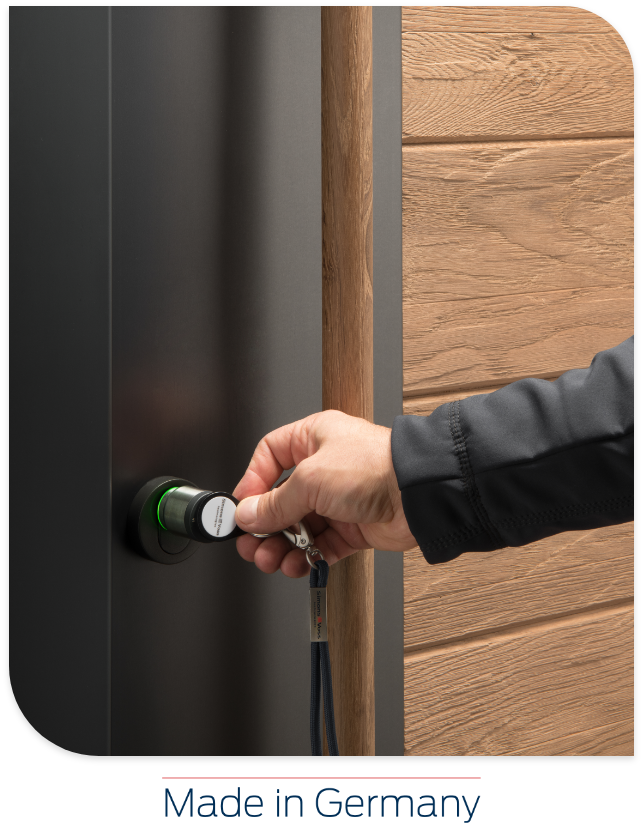
A chip-based locking system uses RFID or NFC technology to recognise electronic credentials without physical contact, and each credential carries a unique identifier that the system verifies before granting access. At a minimum, a system needs electronic readers or locking cylinders, management software running either on-premises or in the cloud, and a programming device for configuring the electronic credentials.
In short: the system checks a unique identifier on each credential against readers or cylinders, backed by management software and a programming device to set up new credentials.
What Happens If a Chip Is Lost?
If an employee loses their access credential, there’s no need to worry that the entire locking system will need replacing. Unlike a traditional mechanical locking system, an electronic chip-based system eliminates the costly, time-consuming need to replace physical locking components: the lost credential can simply be blocked in the management software, and a replacement can then be programmed at relatively low cost, without affecting any of the system’s other components.
In short: a lost credential is blocked and reissued through the software, rather than triggering a full lock or cylinder replacement.
Key Benefits of Chip-Based Access Control Systems
Straightforward administration is one of the main reasons chip-based locking systems are easy to manage. Users can be administered centrally, credentials programmed as required, and with online management, changes implemented in real time. Access permissions can be defined precisely by person, area or time, giving maximum control, while additional access points and users can be integrated with minimal effort, making the system easy to scale. Access events also provide a transparent audit trail of who entered which area and when, and reduced dependence on mechanical components, combined with straightforward credential management, keeps day-to-day operations low maintenance.
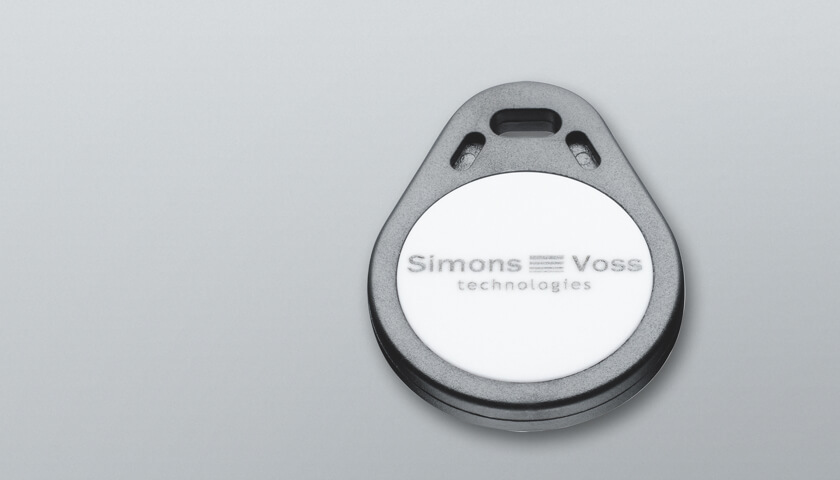
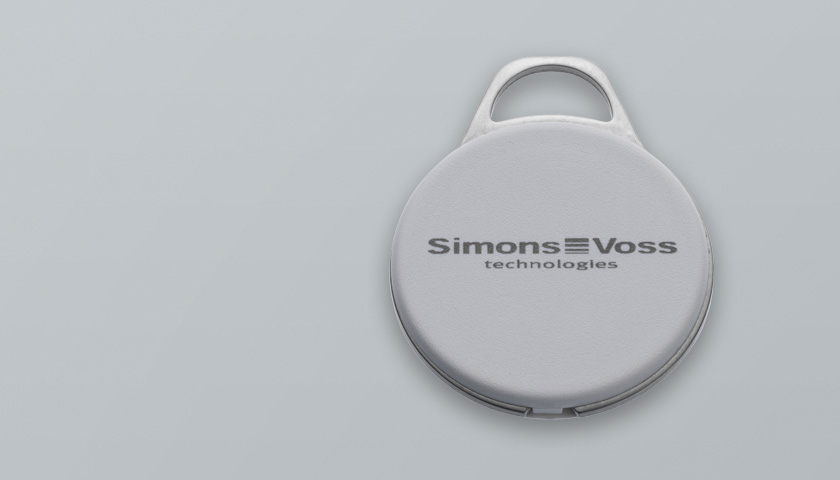
Transponders such as the SimonsVoss SmartTag and the more compact SlimTag can be freely programmed and immediately blocked if required, combining a high level of security with convenient everyday use.
In short: chip-based systems give precise, scalable control over who can access what and when, with a full audit trail and credentials that can be blocked and reissued instantly.
Electronic Chip-Based Locking Systems from SimonsVoss
From a single workplace to a large enterprise, SimonsVoss modular digital locking systems combine modern RFID technology with user-friendly software, making them particularly well suited to complex access hierarchies and environments with demanding security requirements. They can be tailored to individual requirements, provide a high level of operational reliability, and are intuitive to manage day to day.
In short: SimonsVoss chip-based systems scale from a single site to a large, complex organisation without becoming harder to manage as they grow.
Electronic Credentials: SmartTag and SlimTag
SimonsVoss SmartTag and SlimTag credentials offer intelligent, flexible ways to meet modern identity and access management needs. The SmartTag stands out for its versatility, and suits organisations that need to use multiple credential types in parallel or extend existing systems, since it can be combined with other SimonsVoss credentials, used across up to seven different locking systems, and supports widely used MIFARE® formats. This makes it well suited to applications ranging from access control through to cashless staff canteen systems.
The SlimTag, meanwhile, combines a minimalist design with high performance. Discreet yet robust, it’s particularly well suited to customer-facing or prestigious areas as well as healthcare environments, and with the capacity to manage up to 32,000 locking operations, it’s an effective solution for large organisations with high levels of access activity.
In short: SmartTag is the more versatile option for multi-system use, while SlimTag is the discreet, high-capacity choice for customer-facing or healthcare settings.
Looking to move your access management to a chip-based system? Get in touch to find out more about SimonsVoss’s chip-based access control systems.
FAQ
What is an electronic chip-based locking system?
A locking system that replaces conventional keys with digital credentials, such as transponders or smart cards, which communicate contactlessly with electronic locking cylinders or readers and only grant access when a valid credential is presented.
What technology do chip-based locking systems use?
RFID or NFC technology, which reads a unique identifier on each credential without physical contact and verifies it before granting access.
What happens if someone loses their access credential?
The lost credential is blocked in the management software, and a replacement can be programmed at relatively low cost, without affecting any other part of the system.
What are the minimum components needed for a chip-based system?
Electronic readers or locking cylinders, management software (on-premises or cloud-based), and a programming device for configuring credentials.
What's the difference between SmartTag and SlimTag?
SmartTag is the more versatile credential, usable across up to seven different locking systems and supporting MIFARE® formats, while SlimTag is a more compact, discreet credential built for customer-facing or healthcare environments and capable of managing up to 32,000 locking operations.
Which sectors commonly use chip-based locking systems?
Offices, hotels, healthcare facilities including hospitals, GP surgeries and care homes, manufacturing and industrial sites, residential developments, and educational establishments all commonly use chip-based access control.